Blank walls often feel flat and lack personality in any room. Many spaces stay unremarkable until color and form are introduced. Applying mural art painting brings new life and meaning to the surface. The change affects how visitors move through and feel about the area. Thoughtful designs turn ordinary walls into features that hold attention and set a distinct lasting tone for the whole space.
Adding Visual Depth
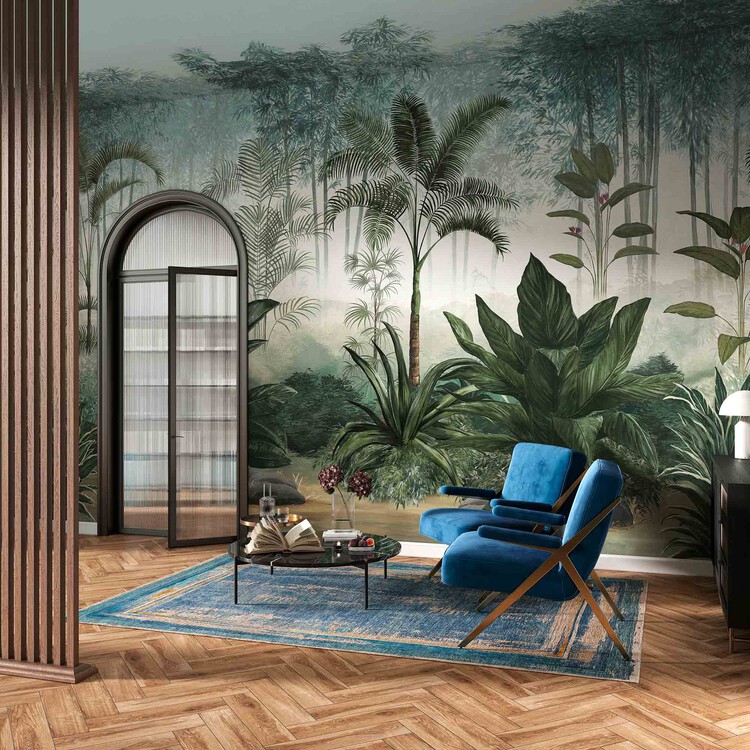
Flat surfaces gain layers of interest once shapes and tones appear. Light and shadow play across the design to create a sense of distance. The wall no longer sits as a simple boundary but becomes part of the room experience. Depth makes the area feel larger and more engaging for anyone present.
- Soft gradients create the sense of distance on flat surfaces.
- Layered shapes give the wall a richer visual presence overall.
- Light interaction with the design adds subtle movement during the day.
- Varied tones prevent the surface from looking completely one dimensional.
- Careful placement of forms guides the eye across the full wall.
Shifting Room Mood
Color and image choices directly influence the feeling of the space. Warm tones can make a room feel welcoming while cooler tones bring calm. The right scene supports the intended use of the area without clash. Mood shifts happen the moment the design is complete and visible.
Creating Focal Points
A well placed design draws the eye and organizes the room visually. Large central images become natural anchors for furniture and movement. Smaller supporting details keep the interest alive across the full surface. Strong focal points from mural art painting help the space feel planned and complete.
Reflecting Brand Identity
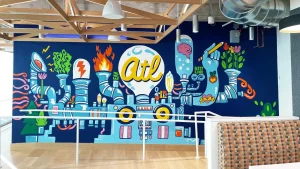
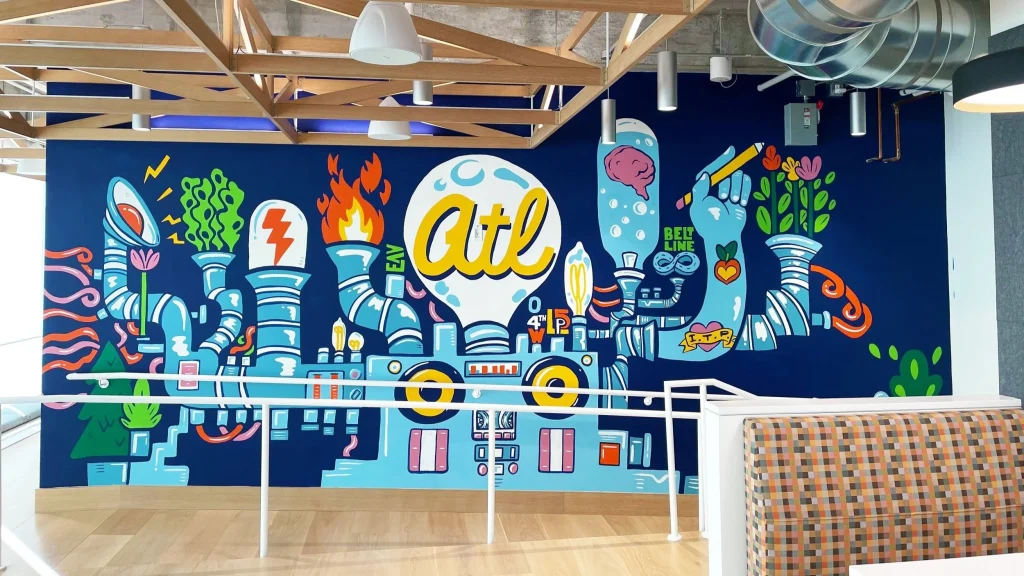
Designs can carry the values and style of a business in clear visual form. Consistent colors and symbols reinforce recognition for every visitor. The wall becomes a quiet but constant messenger of the brand character. Matching the artwork to core identity strengthens the overall impression of the space.
- Use brand colors to create instant visual recognition on the wall.
- Include simple symbols that connect to the main business message.
- Keep the style consistent with other visual elements already present.
- Avoid extra details that distract from the core identity shown.
- Test the design against the brand guide before final application.
Transforming Plain Surfaces
Ordinary walls gain purpose and presence once the artwork is complete. The change is immediate and alters how the entire room is perceived. Empty areas turn into active parts of the interior experience. The surface moves from background to a key element of the space character.
The shift from plain wall to meaningful surface comes through careful use of depth mood focus identity and transformation. Each element works together to give the area a clearer stronger character. When the design matches the purpose of the space the result feels natural and lasting. Steady attention to these points produces walls that truly change how a room is experienced every day.
How does mural work add depth to walls?
Layered shapes and tones create distance and visual interest.
What role does color play in room mood?
Warm or cool tones directly shape the feeling of the space.
Why do focal points matter in wall designs?
They organize the room and draw attention in a natural way.