A bottle sits in a fridge door for six weeks. Nobody wrote the date on it. That’s usually where things go wrong, not in the assay. Most researchers troubleshoot a failed result by questioning the protocol, the reagents, the technique, and rarely stop to ask whether the peptide was already compromised before the first pipette touched it. This is a strange blind spot given how much attention goes into everything downstream of that vial. The https://azoth-peptides.com/product/bpc-157-peptide/ is one product page where that question is worth asking early. BPC-157 tends to land in the hands of labs still fairly new to peptide work generally.
It’s a synthetic sequence, derived from a partial fragment of a protein found in human gastric juice. Shows up in preclinical and animal-model research around tissue repair pathways and gastrointestinal processes, and that’s roughly where the evidence sits right now. Not an approved treatment. Nothing about a lab finding or an animal study should get read as a clinical outcome in humans, and it’s worth saying plainly since that line gets blurred often enough online.
Handling That Doesn’t Rely on Guesswork
Exact instructions vary by manufacturer. The product’s own documentation should always override general advice, but a few habits hold up across most lyophilized peptide work anyway.
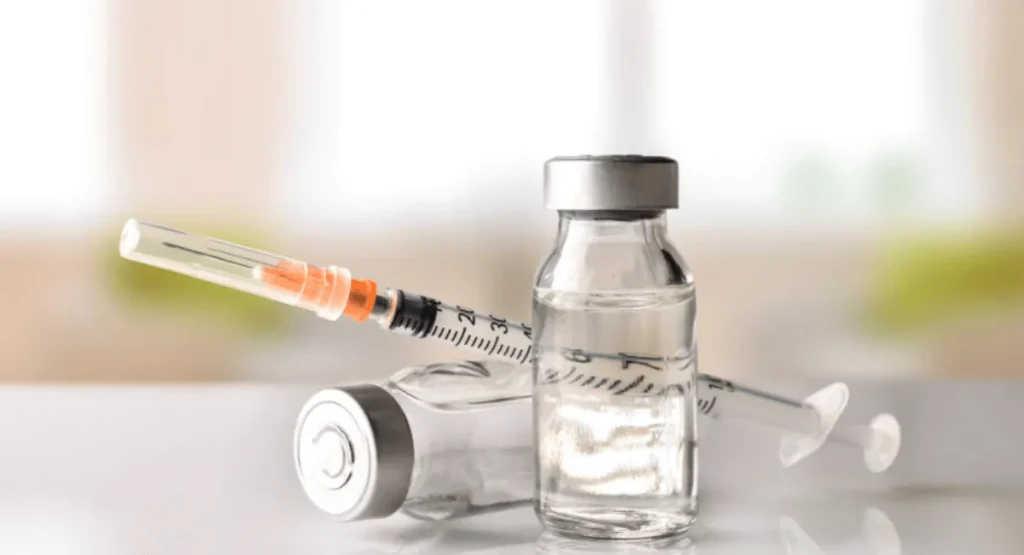
Keep unreconstituted vials cool, dry, out of light. Refrigerated or frozen, depending on what the supplier specifies, though letting a vial reach room temperature before opening cuts down on condensation forming inside it. Sterile technique during reconstitution matters more than people expect, since contamination introduced at this stage doesn’t always surface until much later in an experiment, sometimes not until a whole batch of results looks off. Minimize the warm-cool cycling of a reconstituted solution. Label things with a date. A peptide in solution just doesn’t last as long as the same peptide sitting dried.

None of this replaces reading the actual documentation for https://azoth-peptides.com/product/bpc-157-peptide/, or whatever specific product is on the bench. Formulation, buffer, packaging — all of it shifts the ideal approach slightly.
The Part That’s Easy to Skip
A researcher checks purity certificates. Checks sourcing. Checks the literature closely enough to cite it later. Storage conditions get treated as an afterthought, something dealt with once the vial physically arrives rather than planned for ahead of time, and that’s backwards. A mishandled peptide introduces variability that’s nearly impossible to trace back afterward. It doesn’t announce itself, it just makes the assay behave a little oddly, and nobody thinks to blame the fridge.
Good habits here aren’t complicated really. Mostly just consistency. Label things. Don’t let a solution cycle through temperatures more than it has to, and trust the documentation over whatever assumptions got carried over from a different product last time.
Stability isn’t the interesting part of peptide research. It’s the part that makes the interesting part possible.